
Uganda Gorilla Trekking Best Time to Go: A Complete Guide to the Best Months for Gorilla Trekking in Uganda
Uganda Gorilla Trekking Best Time to Go: A Complete Guide, If you are planning a Uganda gorilla trekking safari, one of the first questions you will probably ask is: What is the best time to go gorilla trekking in Uganda?
The good news is that gorilla trekking in Uganda is possible throughout the year if there is gorilla permit availability, one thing to be on the safe side is to have your permit booked prior since they are booked on first come first served basis. However, some months offer easier hiking conditions, better road conditions and generally more comfortable travel, while other months can bring heavier rainfall and muddier forest trails.
For most travellers, the best time for gorilla trekking in Uganda is during the drier months of June to September and December to February. These periods generally provide more favourable conditions for travelling to Bwindi Impenetrable National Park and Mgahinga Gorilla National Park.
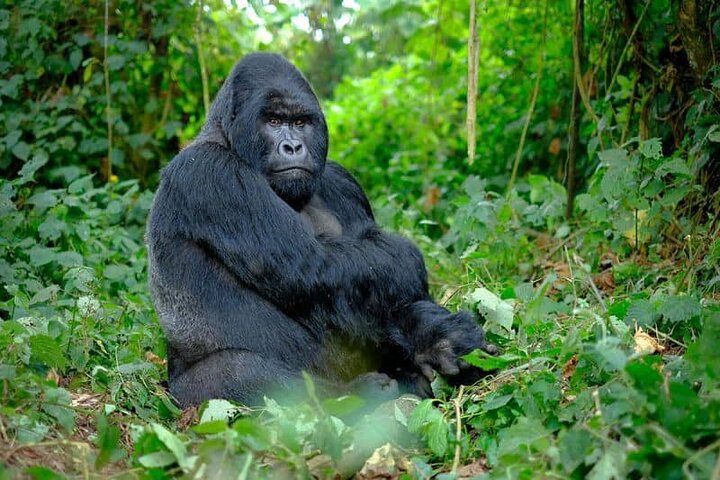 But there is more to choosing your travel dates than simply looking at the dry and wet seasons. Your budget, preferred trekking conditions, accommodation, availability of gorilla permits and the rest of your Uganda safari itinerary can all influence the best time for your particular trip.
Where Can You Go Gorilla Trekking in Uganda?
Uganda offers gorilla trekking in two protected areas which both located I the south western part of uganda these include Bwindi Impenetrable National Park and Mgahinga Gorilla National Park. Bwindi is the country’s main gorilla trekking destination and is divided into four principal trekking sectors: Buhoma, Ruhija, Rushaga and Nkuringo. Uganda Wildlife Authority notes that trekking can take approximately 2 to 7 hours, depending on where the gorilla family is located on the day of your trek.
Mgahinga, located in the Virunga Mountains, provides another opportunity to see mountain gorillas and offers a different forest and mountain environment. This means that choosing the right month is important, but so is choosing the right gorilla trekking sector and accommodation location.
What Is the Best Time for Gorilla Trekking in Uganda?
For travellers who want relatively dry conditions, the most commonly preferred periods are:
- June to September
- December to February
Uganda generally experiences two broad dry periods, although weather in the mountainous southwest can change quickly. The country’s tropical climate also means that rain is possible even during traditionally drier months.
June to September: A Popular Time for Gorilla Trekking
June, July, August and September are often attractive months for a Bwindi gorilla trekking safari. The forest trails can be easier to navigate when there has been less rainfall, particularly for visitors who are concerned about slippery and muddy sections of the trail.
These months are also suitable for combining gorilla trekking with other Uganda safari experiences such as wildlife viewing in Queen Elizabeth National Park, Murchison Falls National Park or Kibale National Park. If you are planning a longer Uganda itinerary, June to September can therefore be a convenient period to combine primates, wildlife, landscapes and cultural experiences.
December to February: Another Good Trekking Period
December, January and February form another generally drier period. This can be an excellent option for travellers who want to combine Uganda gorilla trekking with a Christmas, New Year or early-year safari.
January and February can be particularly appealing for travellers who prefer travelling outside the main mid-year holiday period. However, conditions vary from year to year, and the rainforest can still receive showers, this is will give a perfect experience for your gorilla trekking safari Uganda.
Is Gorilla Trekking Possible During the Rainy Season?
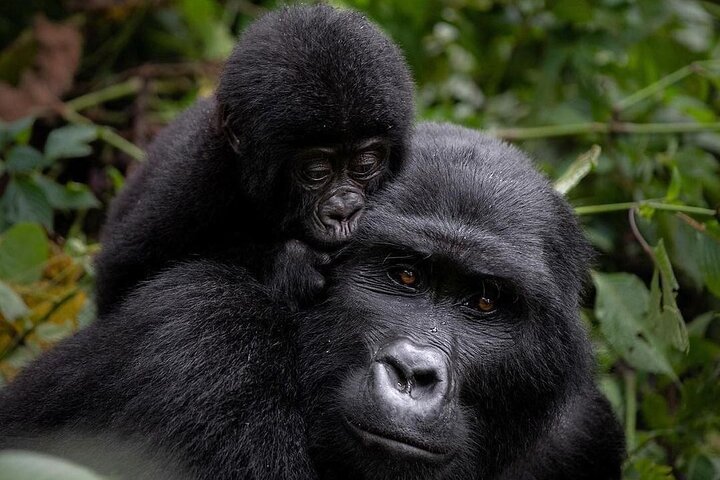 Yes. Gorilla trekking in Uganda is available throughout the year, including during wetter months. This is one of the important things to understand before planning your trip. Uganda’s mountain gorillas live in a rainforest environment, so rain is part of the ecosystem rather than an unusual event. During wetter periods, trails can become slippery and muddy, and rainfall may make the trek more physically demanding. At the same time, some travellers enjoy visiting during these months because the forest can feel particularly lush and green.
There is also an important advantage to considering the wetter season: you may find greater flexibility in accommodation and travel planning, depending on demand and availability.
For experienced hikers who do not mind getting wet, the rainy season should not automatically be ruled out, even chances of getting discounted permits during the low season months is very high hence chances of saving on accommodation, permits etc are very high,
Uganda Gorilla Trekking in March, April and May
March to May is generally associated with Uganda’s wetter season. If you choose to trek during this period, come prepared for changing conditions. Rainfall can make forest trails muddy, and waterproof clothing becomes particularly important.
However, this does not mean that every day will be rainy or that gorilla trekking will be cancelled. Mountain weather is unpredictable, and conditions can change during the day. For travellers who have flexibility, these months may be worth considering, particularly if you are looking for a quieter travel period or have other reasons for travelling at this time of year.
The most important thing is to prepare for wet conditions rather than expecting perfect dry weather.
Is December a Good Month for Gorilla Trekking in Uganda?
Yes. December can be a good month for a Uganda gorilla trekking holiday. It falls within one of Uganda’s generally drier periods, although rainfall remains possible because Bwindi is a rainforest environment. December can also be convenient for travellers combining gorilla trekking with a broader East African holiday.
If you are travelling around Christmas and New Year, however, it is wise to organise your gorilla permit, accommodation, transportation and other activities well in advance chance of. missing availability is very high due to demand.
Is January or February Good for Gorilla Trekking?
January and February are commonly considered favourable months for gorilla trekking because they fall within Uganda’s relatively drier period.
The combination of trekking and other activities can work particularly well during these months. For example, you can design an itinerary around:
Kampala or Entebbe → Kibale National Park → Queen Elizabeth National Park → Bwindi → Lake Mburo or Entebbe.
The exact route depends on your interests and available time.
What About Gorilla Trekking in June, July and August?
June, July and August are popular months for Uganda safaris and can be suitable for gorilla trekking.
If you are travelling during this period, book early. Gorilla trekking permits are limited because tourism is carefully managed around habituated gorilla families.
Uganda Wildlife Authority’s current published guidance states that Foreign Non-Resident gorilla permits are purchased through Uganda Tourism Board-licensed tour operators.
This is one reason why you should not wait until the last moment to organise your trek, especially if your travel dates are fixed.
How Much Does a Uganda Gorilla Permit Cost?
Permit prices can change according to Uganda Wildlife Authority tariffs and visitor category, so travellers should confirm the current tariff when booking.
The UWA tariff published for July 2024 to June 2026 listed the Foreign Non-Resident gorilla tracking permit at US$800 per person, with different rates for Foreign Residents, Rest of Africa visitors and East African Community citizens.
Because that tariff period ended in June 2026, travellers booking for later dates should verify the applicable 2026–2027 UWA tariff rather than relying on an older price.
How Far in Advance Should You Book a Gorilla Trek?
There is no single booking window that works for every traveller, but early planning is strongly recommended.
This is especially important if you want:
- A specific trekking date
- A particular Bwindi sector
- A preferred lodge
- A specific safari itinerary
- Christmas or New Year travel
- Peak-season travel
- A particular number of permits for a group
UWA’s permit-management guidelines state that Foreign Non-Resident permits are sold through tour operators licensed by the Uganda Tourism Board.
A good safari operator can also help coordinate your gorilla permit, accommodation, 4×4 transportation, airport transfers and the rest of your Uganda safari.
What Should You Pack for Gorilla Trekking?
Regardless of when you visit, proper preparation makes a big difference.
Consider packing:
- Waterproof hiking boots
- Lightweight long trousers
- Long-sleeved shirts
- Waterproof jacket
- Small daypack
- Gardening or hiking gloves
- Hat and sunscreen
- Insect repellent
- Reusable water bottle
- Walking poles if you prefer extra support
- Camera with spare batteries or power bank
- Waterproof protection for electronics
A pair of sturdy waterproof boots is particularly useful because Bwindi’s forest trails can be muddy even outside the main rainy periods.
Is Gorilla Trekking Difficult?
Gorilla trekking requires a reasonable level of fitness. The length and difficulty of the trek vary considerably. UWA indicates that tracking can take approximately 2 to 7 hours, and the terrain around Bwindi can include steep slopes, dense vegetation and uneven forest trails. You do not need to be a professional mountain climber, but regular walking and some preparation before your safari can make the experience much more enjoyable.
If you are concerned about fitness, tell your tour operator before booking so they can help you choose accommodation and trekking arrangements that suit your circumstances.
Best Time to Go Gorilla Trekking in Uganda: Month-by-Month Guide
| Month | General conditions | Trekking considerations |
|---|---|---|
| January | Relatively dry | Good option for trekking |
| February | Relatively dry | Generally favourable |
| March | Wetter season begins | Prepare for rain and muddy trails |
| April | Wetter | More challenging trail conditions possible |
| May | Wetter | Waterproof gear recommended |
| June | Drier period | Popular trekking month |
| July | Drier period | Good for combining safari activities |
| August | Drier period | Popular travel period |
| September | Generally drier | Good trekking conditions possible |
| October | Variable | Rain can return in some areas |
| November | Wetter period | Expect changing conditions |
| December | Relatively dry | Good option, but book early |
These are broad seasonal guidelines rather than guarantees. Mountain rainforest weather can change quickly.
So, When Should You Go Gorilla Trekking in Uganda?
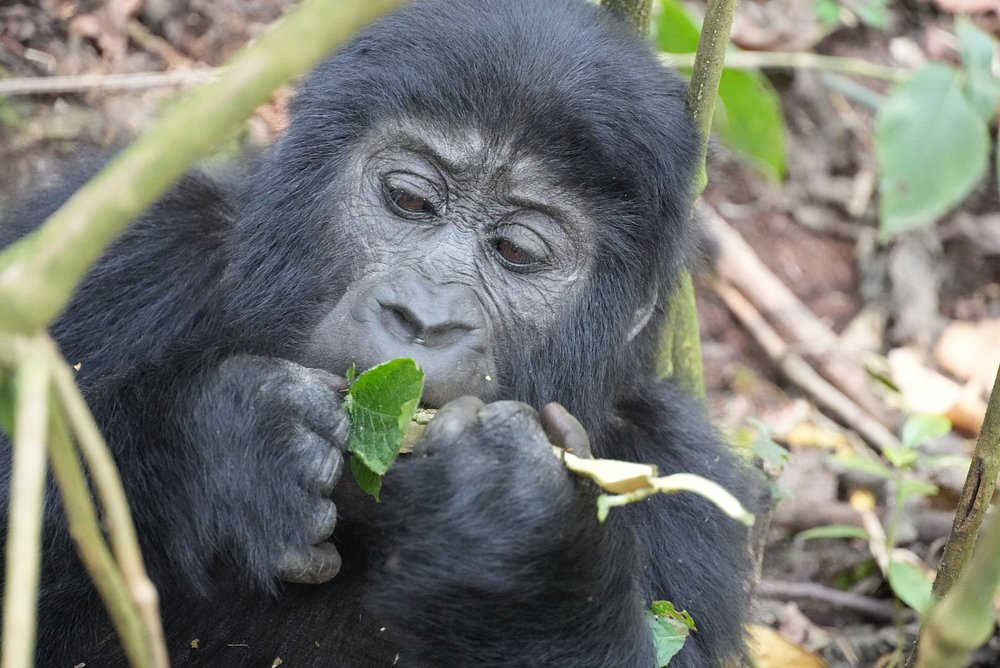 If you want the simplest answer, June to September and December to February are generally the most popular periods to consider for Uganda gorilla trekking.
However, there is no single month that is perfect for every traveller.
The best time for you depends on whether you prioritise drier hiking conditions, travel flexibility, accommodation availability, budget, or combining gorilla trekking with other Uganda safari destinations.
Perhaps the most important advice is not to wait for the “perfect” weather. Mountain gorillas live in a rainforest, and rain is part of the experience. With good preparation, appropriate clothing and an experienced guide, gorilla trekking can be an unforgettable experience at different times of the year.
Uganda’s gorilla conservation story also makes the experience particularly meaningful. UWA reports that the 2018 Bwindi census recorded 459 mountain gorillas, while the latest 2026 conservation reporting continues to highlight Uganda’s important role in mountain gorilla conservation.
Ultimately, your goal should be to choose travel dates that work well with your wider Uganda itinerary and allow enough time to enjoy the journey rather than rushing from one destination to another.
Whether you choose the dry season or travel during the greener, wetter months, Uganda offers a remarkable opportunity to experience mountain gorillas in their natural forest habitat.