
What to Check When Picking Up a Rental Car in East Africa: A Complete Guide for Travelers
What to Check When Picking Up a Rental Car in East Africa, Picking up a rental car is an exciting moment. After planning your East African adventure for weeks or even months, you finally have the keys in your hand and the road ahead is yours to explore.
But before you start driving toward the savannahs of Uganda, the beaches of Kenya, the hills of Rwanda, or the famous safari parks of Tanzania, take a little time to inspect your rental vehicle.
A few extra minutes at the pickup point can save you hours of stress later.
This is especially important when hiring a What to Check When Picking Up a Rental Car in East Africa for a self-drive safari. Roads can change quickly from smooth highways to gravel, dirt, mud, steep hills, or rough park tracks. A vehicle that looks perfectly fine in a parking area may reveal problems once you are several hours away from the nearest town.
Whether you are booking a car rental in Uganda, Kenya, Rwanda, or Tanzania, this practical rental car pickup checklist will help you know exactly what to look for before driving away.
Why Is It Important to Inspect a Rental Car Before Driving Away?
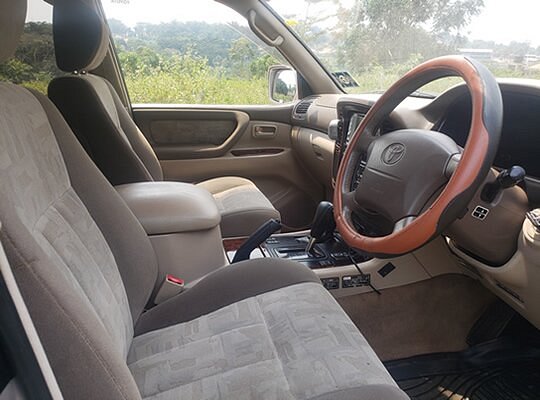 A rental car inspection is about more than checking for scratches.
It gives you an opportunity to confirm three important things:
- The vehicle is safe and mechanically suitable for your journey.
- Any existing damage is recorded before you take responsibility for the vehicle.
- The car and equipment you receive match what you booked and paid for.
For travelers going on safari, this becomes even more important. A minor mechanical problem in Kampala or Nairobi may be easy to fix. The same problem on a remote road near Bwindi, Kidepo, Serengeti, Masai Mara, or another national park can become a major inconvenience.
A proper inspection should include the exterior, interior, tyres, lights, brakes, fluids, documents, safety equipment, fuel level, and any camping or safari equipment included in your rental.
1. Walk Around the Entire Vehicle
Start with a slow walk around the car before getting inside. Don’t feel pressured to hurry because you are excited to begin your trip. This is the best time to identify and document existing damage.
Look carefully at:
- Front and rear bumpers
- Doors
- Fenders
- Bonnet
- Roof
- Side panels
- Door handles
- Side mirrors
- Headlights
- Tail lights
- Windscreen
- Windows
- Undercarriage where visible
Look for scratches, dents, paint marks, cracks, chips, loose parts, or other damage. Even if the rental company has already completed an inspection sheet, compare the vehicle with the document yourself.
Take Photos and Video
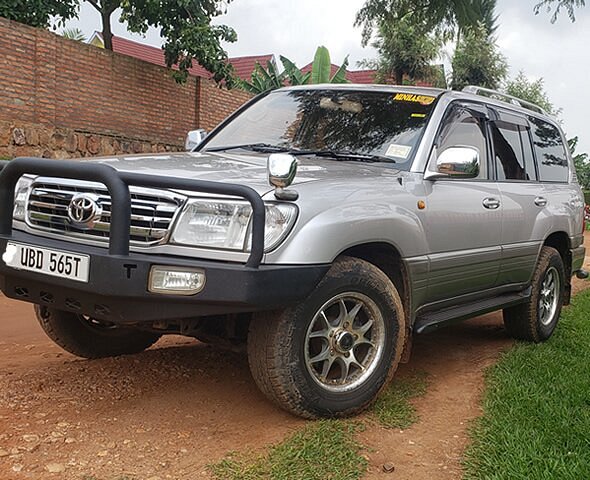 Your smartphone is one of your most useful tools during vehicle pickup.Take clear photographs of the entire vehicle, including close-ups of existing scratches and dents. A short walk-around video is even better.
Photograph:
- Front of the vehicle
- Rear
- Both sides
- Roof
- Windscreen
- Wheels
- Existing dents and scratches
- Dashboard
- Odometer
- Fuel gauge
Send or save the photographs immediately. This creates a useful record of the vehicle’s condition when you received it
2. Check the Tyres Carefully
Tyres deserve special attention when renting a safari vehicle in East Africa. Many popular safari destinations require driving on gravel roads, muddy tracks and rough terrain. Worn or damaged tyres can become a serious problem.
Check all four tyres for:
- Adequate tread
- Uneven wear
- Cuts
- Cracks
- Bulges
- Punctures
- Low pressure
Don’t forget the spare tyre. A spare tyre is particularly important when travelling through remote areas. If possible, ask whether the vehicle has one or two full-size spare tyres, especially if your itinerary includes long stretches of rough roads.
Also confirm that the vehicle has:
- Jack
- Wheel spanner
- Wheel brace
- Tyre pressure equipment
- Recovery equipment, where included
A spare tyre is not much help if you don’t have the equipment needed to change it.
3. Test the Brakes
Brakes should never be treated as a minor detail. Before leaving the rental company’s premises, gently test the brakes.
Pay attention to:
- Squeaking or grinding sounds
- Excessive brake pedal movement
- Pulling to one side
- Vibrations
- A soft or unusually hard brake pedal
If something doesn’t feel right, tell the rental company immediately.
It is much better to spend another 20 minutes having the vehicle checked than to discover a brake problem halfway through your safari.
4. Check the Lights and Indicators
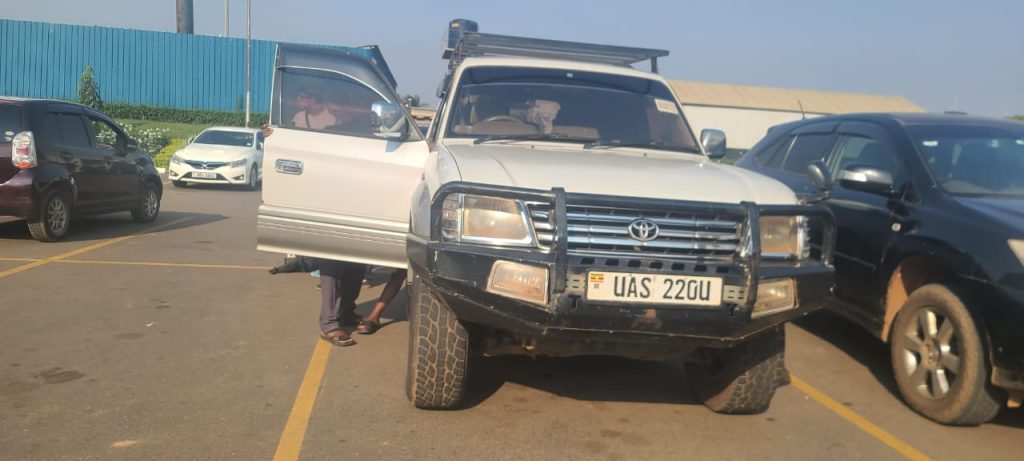 East African road trips can involve early morning starts and long drives, so all lights need to work properly.
Check:
- Low-beam headlights
- High beams
- Indicators
- Hazard lights
- Brake lights
- Reverse lights
- Fog lights, if fitted
- Interior lights
Ask someone from the rental company to stand behind the vehicle while you test the brake and reverse lights.
Also check the dashboard for warning lights after starting the engine.
If an engine, oil, brake, battery, temperature, or other warning light remains illuminated, ask the rental company to investigate it before you accept the car.
5. Check the Engine and Fluid Levels
You don’t need to be a mechanic to perform a basic engine inspection. Ask the rental representative to show you the engine compartment and check:
- Engine oil
- Coolant
- Brake fluid
- Power steering fluid, where applicable
- Windscreen washer fluid
Also look underneath the vehicle for obvious signs of fluid leaks.
If you notice anything unusual, ask questions.
A reputable car rental company should be comfortable explaining the vehicle’s condition rather than rushing you out of the pickup location.
6. Test the 4×4 System
If you have booked a 4×4 safari rental in Uganda or East Africa, make sure the four-wheel-drive system works.
Depending on the vehicle, this could include:
- 4H
- 4L
- Differential lock
- Other traction settings
Ask the rental representative to explain how the system works and when you should use each setting.
You don’t want your first lesson in four-wheel drive to happen in deep mud somewhere far from the nearest mechanic.
If you are unfamiliar with the vehicle, ask for a demonstration before departure.
7. Test the Interior and Comfort
A vehicle may be mechanically sound but uncomfortable for a long road trip. Spend a few minutes inside.
Check:
- Seat adjustment
- Seatbelts
- Air conditioning
- Windows
- Door locks
- Mirrors
- Dashboard controls
- Radio
- USB charging ports
- 12V sockets
- Interior lights
If you are travelling with several people, make sure everyone has enough space for luggage.
This is particularly important for long East African itineraries where you may spend several hours driving between destinations.
8. Check the Windscreen and Mirrors
Windscreen damage deserves special attention.
Look for:
- Cracks
- Stone chips
- Scratches
- Damaged edges
Small chips can become larger cracks, especially when driving over rough roads or in changing temperatures. Check the side mirrors and rear-view mirror as well. Make sure they are secure, clean, and properly adjustable. Document any existing damage before leaving.
9. Check the Fuel Level
Before driving away, look at the fuel gauge. Confirm the rental company’s fuel policy. Common arrangements include:
- Full-to-full
- Same-to-same
- Fuel supplied at an additional cost
Don’t simply assume what the policy is.
Take a photograph of the fuel gauge and record the mileage. Knowing the fuel policy in advance can help you avoid unnecessary disagreements when returning the vehicle. It is also wise to ask where you should refuel during your journey, particularly if your itinerary takes you into remote safari areas.
10. Check the Mileage
Take a photograph of the odometer when you collect the car. Then compare the reading with the rental agreement. Ask whether the rental includes:
- Unlimited mileage
- A daily mileage allowance
- A total mileage limit
- Additional charges for exceeding the allowance
Long-distance self-drive safaris can involve hundreds or even thousands of kilometres, so understanding the mileage policy before departure is important.
11. Confirm All Vehicle Documents
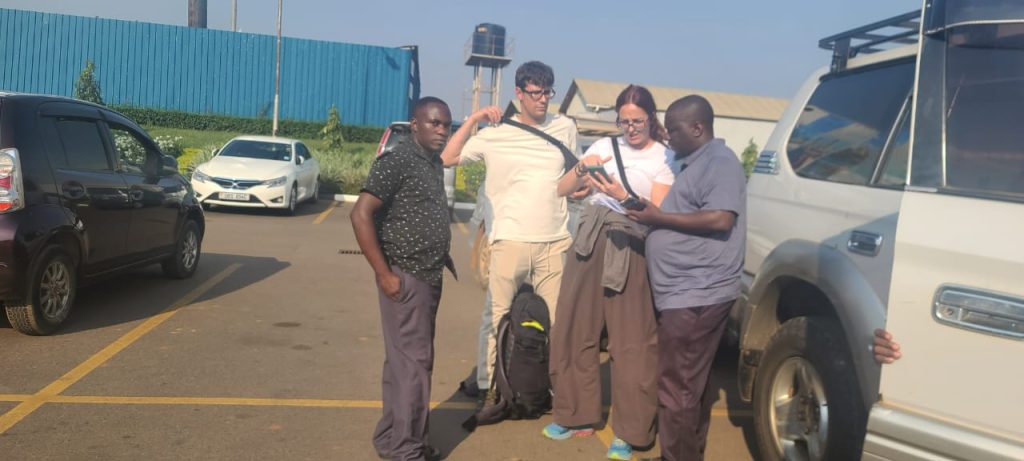 Never leave the pickup point without confirming that the necessary vehicle documents are available. Depending on the country and rental arrangement, these may include:
- Vehicle registration documents
- Insurance documents
- Rental agreement
- Road licence documentation
- Cross-border authorization
- Regional insurance documentation where applicable
If you are planning to drive between Uganda, Kenya, Rwanda, and Tanzania, tell the rental company before collecting the vehicle. Cross-border travel may require additional authorization, insurance, and documentation. Do not assume that because a rental company operates across East Africa, every vehicle can automatically cross every border.
12. Confirm Cross-Border Permission
Planning an East African road trip that includes several countries? This should be discussed before pickup. For example, if you are collecting a vehicle in Uganda and plan to travel into Kenya, Rwanda, or Tanzania, confirm:
- Whether the specific vehicle is allowed to cross the border
- Which countries are permitted
- Which border crossings can be used
- Whether additional insurance is required
- Whether a cross-border authorization letter is required
- Whether additional fees apply
- Whether there are restrictions on returning the vehicle in another country
Cross-border arrangements can take additional preparation, so don’t leave this conversation until you are standing at the border.
13. Check the Emergency and Recovery Equipment
A safari rental car should be prepared for more than normal city driving.Ask what emergency equipment is included.Depending on the vehicle and rental package, this may include:
- First-aid kit
- Fire extinguisher
- Warning triangle
- Jack
- Spare tyre
- Tow rope
- Jumper cables
- Basic toolkit
- Air compressor
- Recovery equipment
For remote self-drive trips, additional recovery equipment can be extremely useful.
The exact equipment supplied varies between rental companies, so confirm what is included in your specific booking.
14. If You Are Renting a Rooftop Tent, Inspect It Too
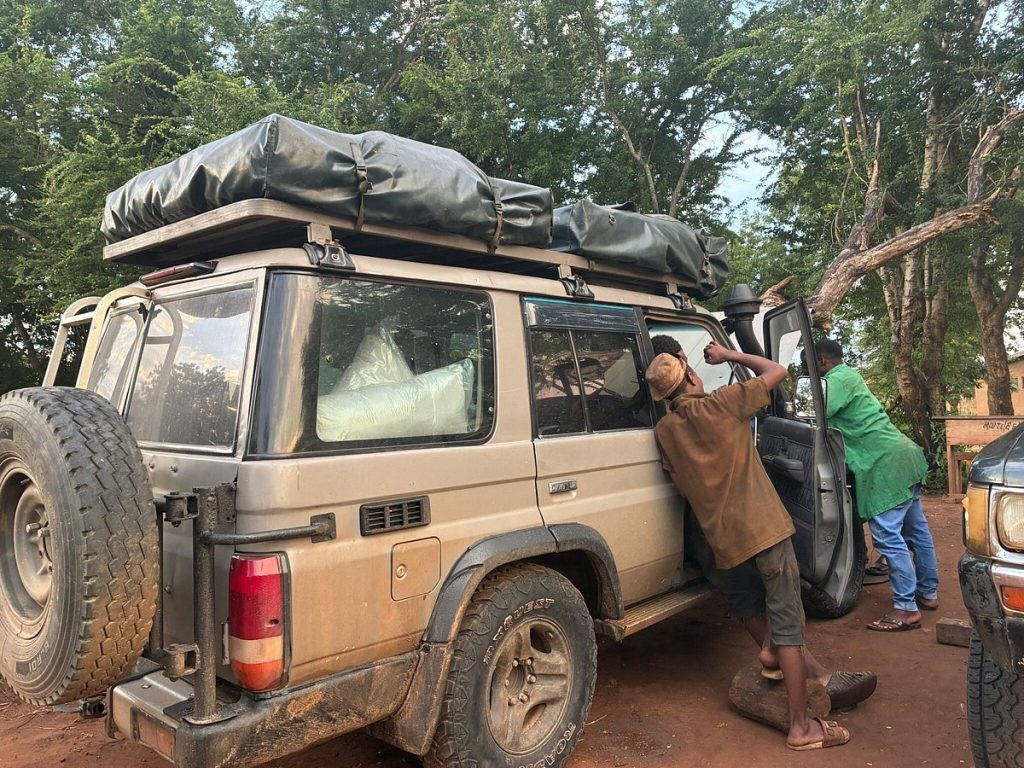 A rooftop tent can make an East African road trip exciting and affordable, but don’t forget to inspect the camping equipment. If your vehicle includes a rooftop tent, check:
- Tent fabric
- Zips
- Mattress
- Ladder
- Tent poles
- Windows
- Rain cover
- Locks
- Mounting system
Open the tent and make sure you understand how it works. If camping equipment is included, check the inventory against your agreement. Depending on the package, this may include:
- Camping chairs
- Table
- Cooking equipment
- Plates and cups
- Jerry cans
- Fridge
- Gas equipment
- Sleeping equipment
Don’t wait until you reach your first campsite to discover that you don’t know how to open the tent.
15. Take a Short Test Drive
If possible, take the vehicle for a short drive before beginning your journey. You can quickly identify issues with:
- Steering
- Braking
- Gear changes
- Clutch
- Acceleration
- Suspension
- Unusual engine sounds
- Wheel alignment
Listen carefully.
If the car makes a noise you don’t recognize, ask about it.
You are not being difficult by asking questions. You are protecting yourself and making sure the vehicle is suitable for your journey.
16. Understand the Insurance and Excess
One of the most important things to understand before accepting a rental vehicle is the insurance.
Ask:
What happens if I damage the vehicle?
Find out:
- What insurance is included?
- What is excluded?
- What is the excess?
- Are tyres covered?
- Is windscreen damage covered?
- Is underbody damage covered?
- Are rollover accidents covered?
- Is off-road driving permitted?
- What happens after an accident?
- Who pays recovery costs?
Never rely only on a verbal explanation. Make sure important terms are written in the rental agreement.
17. Ask What Happens If the Vehicle Breaks Down
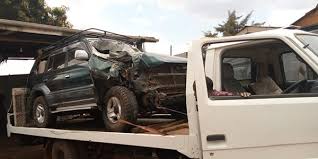 This is particularly important for a self-drive safari in East Africa. Ask the rental company: “Who should I call if the vehicle breaks down?” Also ask:
- Is roadside assistance available?
- Is there a 24-hour emergency number?
- What happens if the vehicle cannot be repaired?
- Is a replacement vehicle available?
- Who pays for recovery?
- What should I do after an accident?
A good rental company should provide clear instructions before you start your journey.
18. Check the Rental Agreement Before Signing
Finally, read the agreement carefully.
Check:
- Rental dates
- Daily rate
- Deposit
- Insurance
- Excess
- Fuel policy
- Mileage
- Permitted countries
- Cross-border fees
- Pickup location
- Drop-off location
- Late-return charges
- Additional-driver rules
- Breakdown policy
- Accident procedures
If something is unclear, ask.
The cheapest rental car is not always the best deal. A slightly higher price can be worthwhile if it includes a reliable vehicle, proper documentation, roadside assistance, camping equipment, and transparent rental terms.
Car Rentals Uganda: Your East Africa Self-Drive Partner
For travelers looking for a reliable car rental company in Uganda, Car Rentals Uganda is one of the best car rental companies in Uganda, specializing in renting different types of vehicles for travel across East Africa.
Whether you are planning a self-drive safari in Uganda, a cross-border road trip to Kenya, Rwanda or Tanzania, or simply need a reliable vehicle for exploring Uganda, choosing a company familiar with East African travel can make the experience much easier.
A good East Africa car rental company should understand that travelers need more than just a vehicle. They need a properly prepared car, clear rental terms, appropriate documentation, useful equipment, and support when unexpected situations occur.
For safari travelers, the right 4×4 can make a significant difference, particularly when visiting destinations with gravel roads, rough tracks and challenging terrain.
Conclusion: Take Your Time Before Taking the Keys
Picking up a rental car should not be a rushed process.
Whether you are beginning your journey in Entebbe, Kampala, Nairobi, Kigali, Arusha, or another East African destination, spend a little time getting familiar with the vehicle before heading onto the highway.
Take photographs. Ask questions. Test the important systems. Check the paperwork. Confirm what happens if something goes wrong.
Most importantly, make sure the vehicle you are accepting is suitable for the roads and destinations you plan to visit.
A good rental car should give you confidence rather than anxiety.
Once the inspection is complete and the keys are in your hand, you can finally concentrate on what matters most — enjoying the freedom of the open road and experiencing East Africa at your own pace.
Your adventure starts with the right vehicle. Take a few minutes at pickup, and you can spend the rest of your trip enjoying the journey.